Biei's Blue Pond Winter Illumination: Dates, Parking Fees & What's Changed
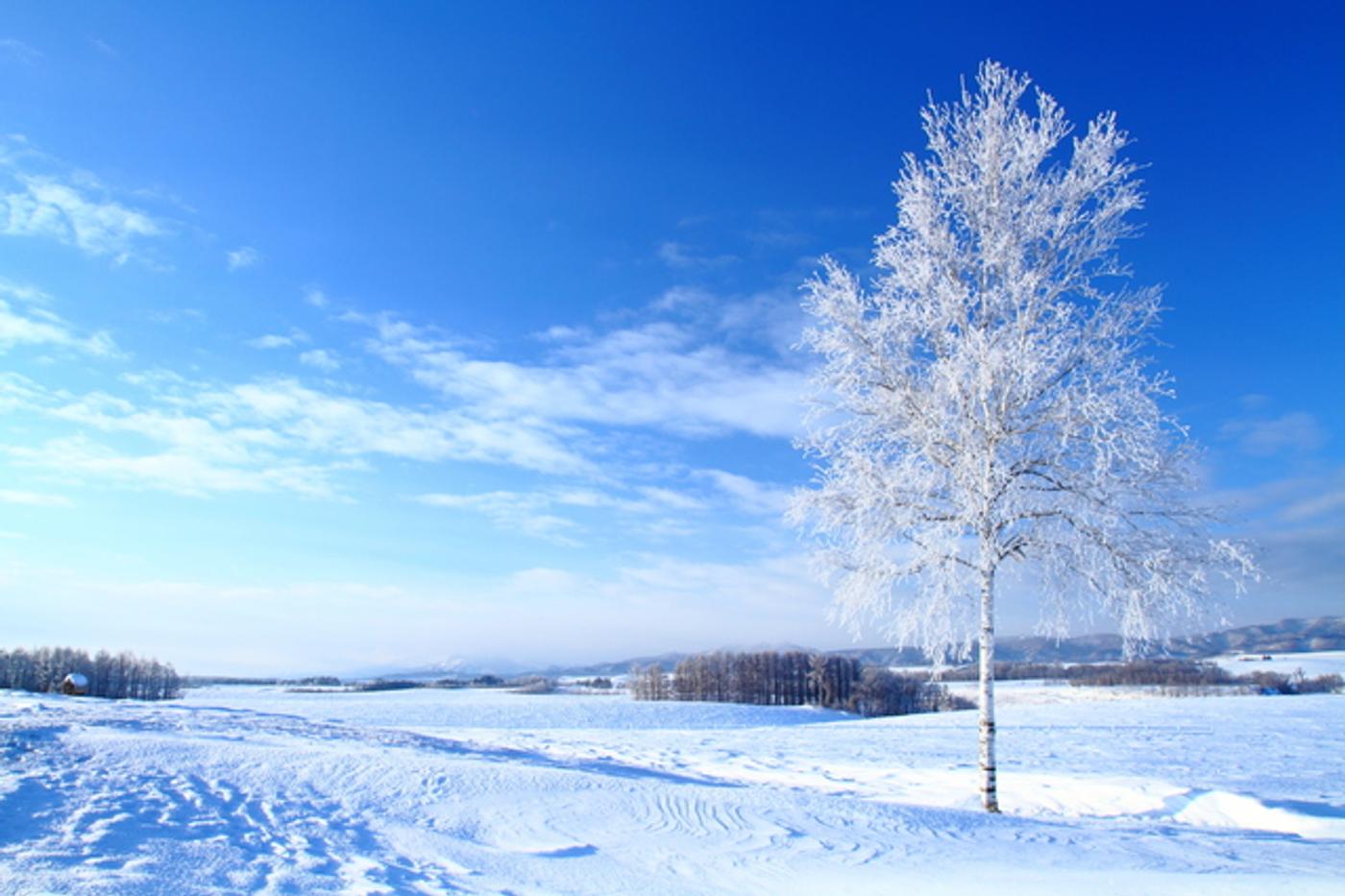
Most people know Biei’s Blue Pond from summer photos — that unreal cobalt water against bare dead trees. What far fewer visitors realise is that in winter the pond freezes over completely, snow settles on top of it, and it’s lit up in the evenings.
Two things trip visitors up when planning this: the season dates change from year to year, and parking prices doubled in July 2026. Here’s where things actually stand.
The Season Dates Change Every Year — Check Before You Book
This is the important part, and it’s why you shouldn’t trust an older blog post on this.
- 2025–26 season: ran 24 October 2025 – 22 April 2026. This season has finished.
- 2026–27 season: currently planned to run from December 2026 to late March 2027.
Note how different those two are. The 2025–26 season opened in late October; the coming one isn’t scheduled to start until December. If you’re planning a November trip on the basis of last year’s dates, you may arrive to find nothing lit.
The 2026–27 schedule is still listed as planned rather than final. Confirm directly with Biei Town before you commit to dates — the tourism and commerce division can be reached on 0166-92-4321, and the town publishes the confirmed schedule each season.
Typical Lighting Times
Once a season is running, start times shift monthly with the sunset. In the 2025–26 season they ran roughly:
| Month | Lit from |
|---|---|
| October–November | 17:00 |
| December–January | 16:30 |
| February–March | 17:30 |
| April | 18:30 |
Lights go off at 21:00. Expect the coming season to follow a similar monthly pattern, but treat the specific times as provisional until the town confirms them.
Note how early the December start is — 16:30. In deep winter it’s dark here well before dinner, which makes the illumination easy to fit into an afternoon rather than a late night out.
Parking Now Costs Double (Since 1 July 2026)
This is recent and catches people out. Biei raised the parking charges at the Blue Pond substantially:
| Vehicle | Was | Now |
|---|---|---|
| Motorcycle | ¥100 | ¥300 |
| Regular car (incl. compact/kei) | ¥500 | ¥1,000 |
| Large vehicle (6m+, buses) | ¥2,000 | ¥6,000 |
Parking hours: 8:30–21:30 from November to April (7:00–19:00 May to October). The winter hours do cover the illumination period.
The increase is an explicit overtourism measure — the revenue funds environmental upkeep and maintenance in the Shirogane area. Given how much pressure this small area is under from visitor numbers, that seems a reasonable trade to us, but it’s worth budgeting for rather than being surprised at the barrier.
Why Winter Looks Completely Different
From roughly December through April, the pond’s surface ices over and snow accumulates on top. You are no longer looking at blue water — you’re looking at a snowfield with dead trees standing out of it, under coloured light.
The lighting programme itself changes once the pond freezes: the operators add more gradation to create a sense of depth on what would otherwise be a flat white surface. It isn’t simply the same lights on a frozen pond.
Don’t Skip Shirahige Falls
About five minutes by car from the Blue Pond, Shirahige Falls (白ひげの滝) is lit up on the same schedule. It’s a roughly 30-metre waterfall of an unusual type — groundwater emerging directly from cracks in the rock face rather than flowing over the top.
Since the two are so close and share a schedule, treat them as one trip. Most people spend longer at the falls than they expect to.
Getting There in Winter
The Blue Pond is in the Shirogane area, about 22km south of Biei Station — up in the hills, not out on the farmland where the famous patchwork scenery is.
That distance matters in winter. This is a mountain road, in snow, in the dark, at the end of the day. See our transport comparison for reaching Biei in the first place, and be honest with yourself about whether you want to drive that stretch after sunset.
If you are driving, check conditions before you set out — our weekly snow report tracks the Asahikawa–Biei–Furano corridor.
Fitting It Into a Day
Because the lights come on so early in midwinter, this works better as the end of a day than as a separate trip:
- Morning: Asahiyama Zoo’s Penguin Walk
- Afternoon: Biei’s snow-covered hills
- Late afternoon: Blue Pond and Shirahige Falls
- Evening: back to your base
Build a route around your own dates with our trip planner.
Practical Notes
- Dress for standing still outdoors, in the dark, in a Hokkaido winter. This is considerably colder than walking around at midday.
- There’s limited shelter at the site — nowhere to warm up while you wait.
- Budget ¥1,000 for parking if you’re driving a normal car.